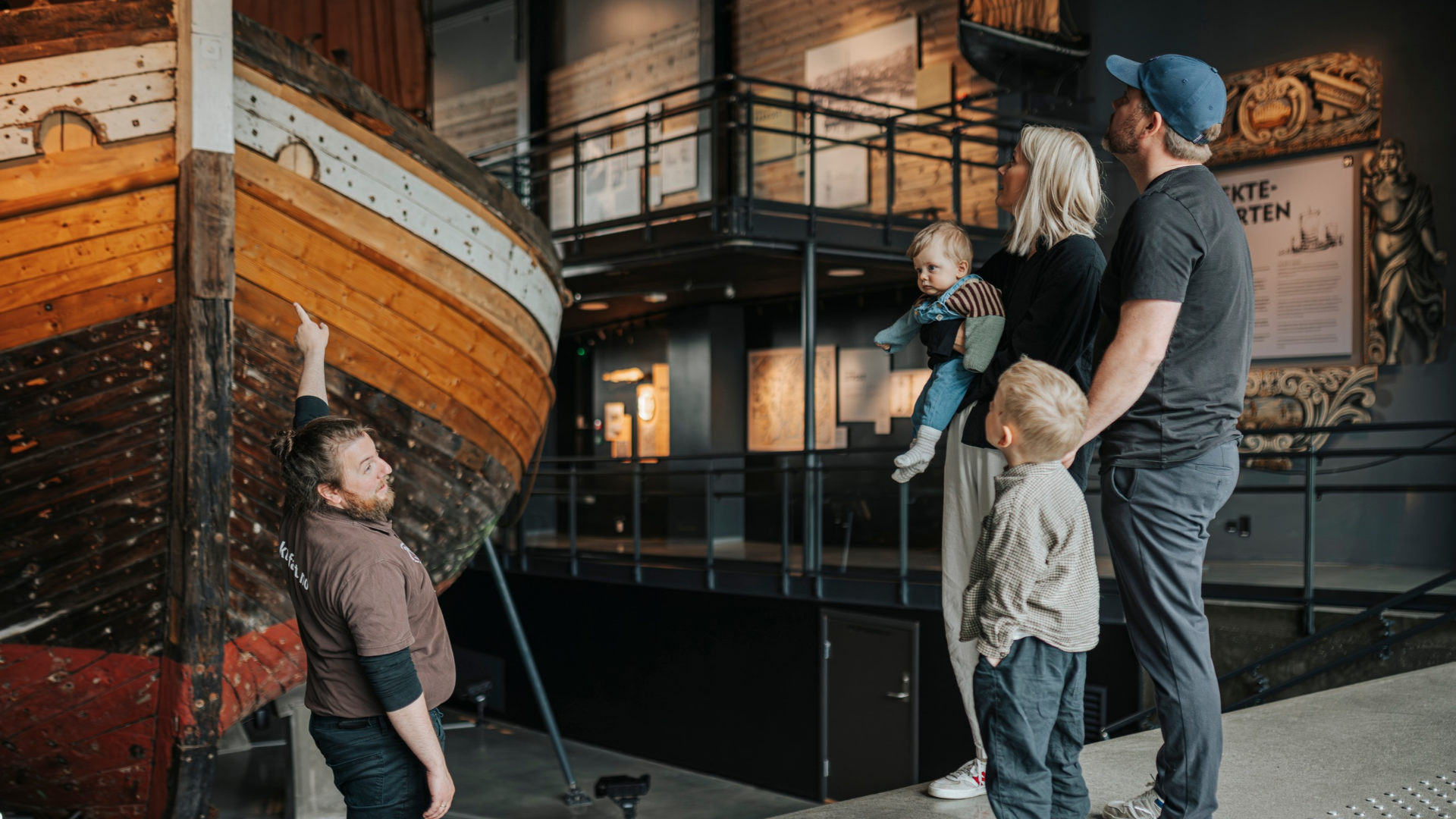
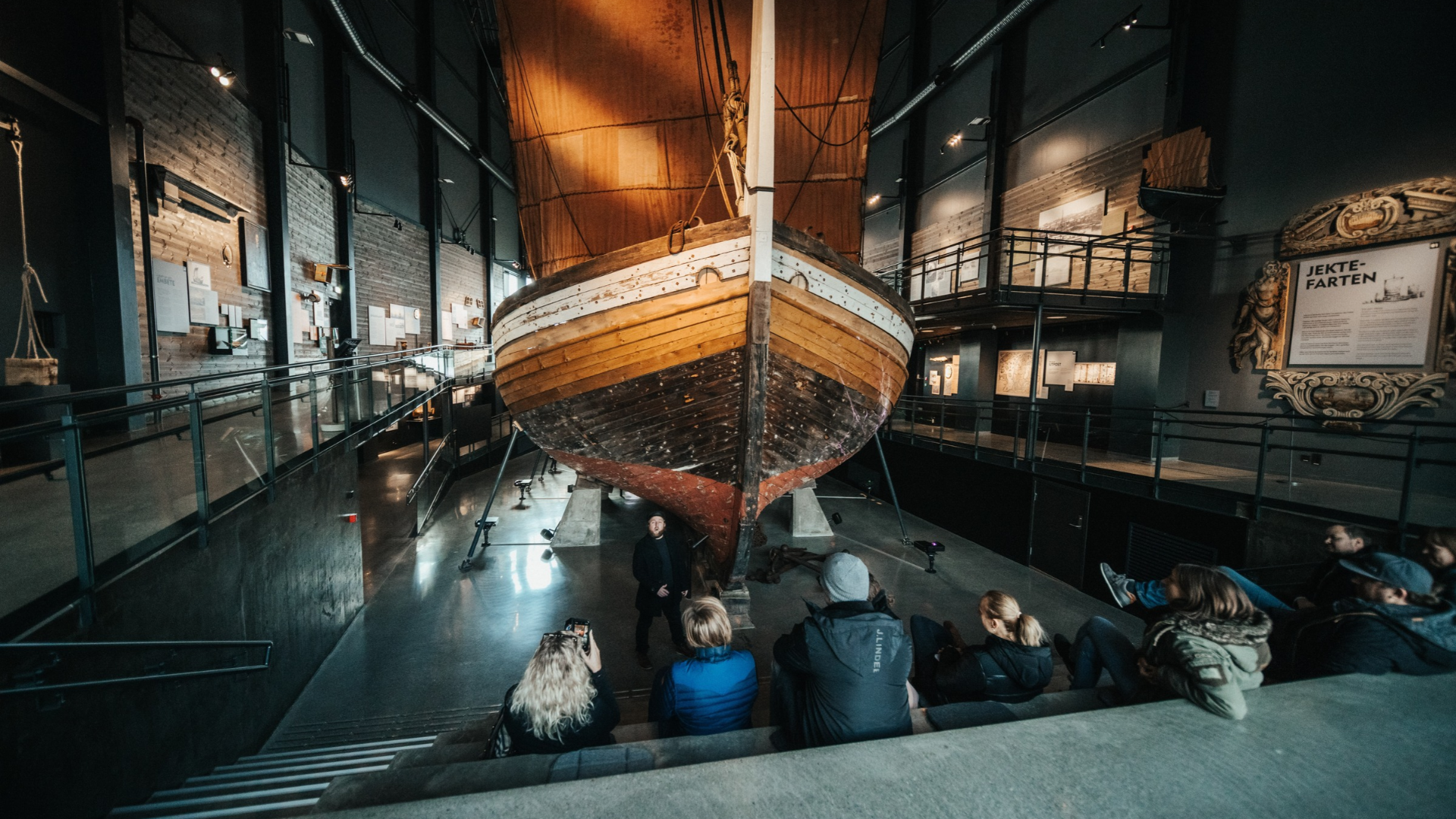
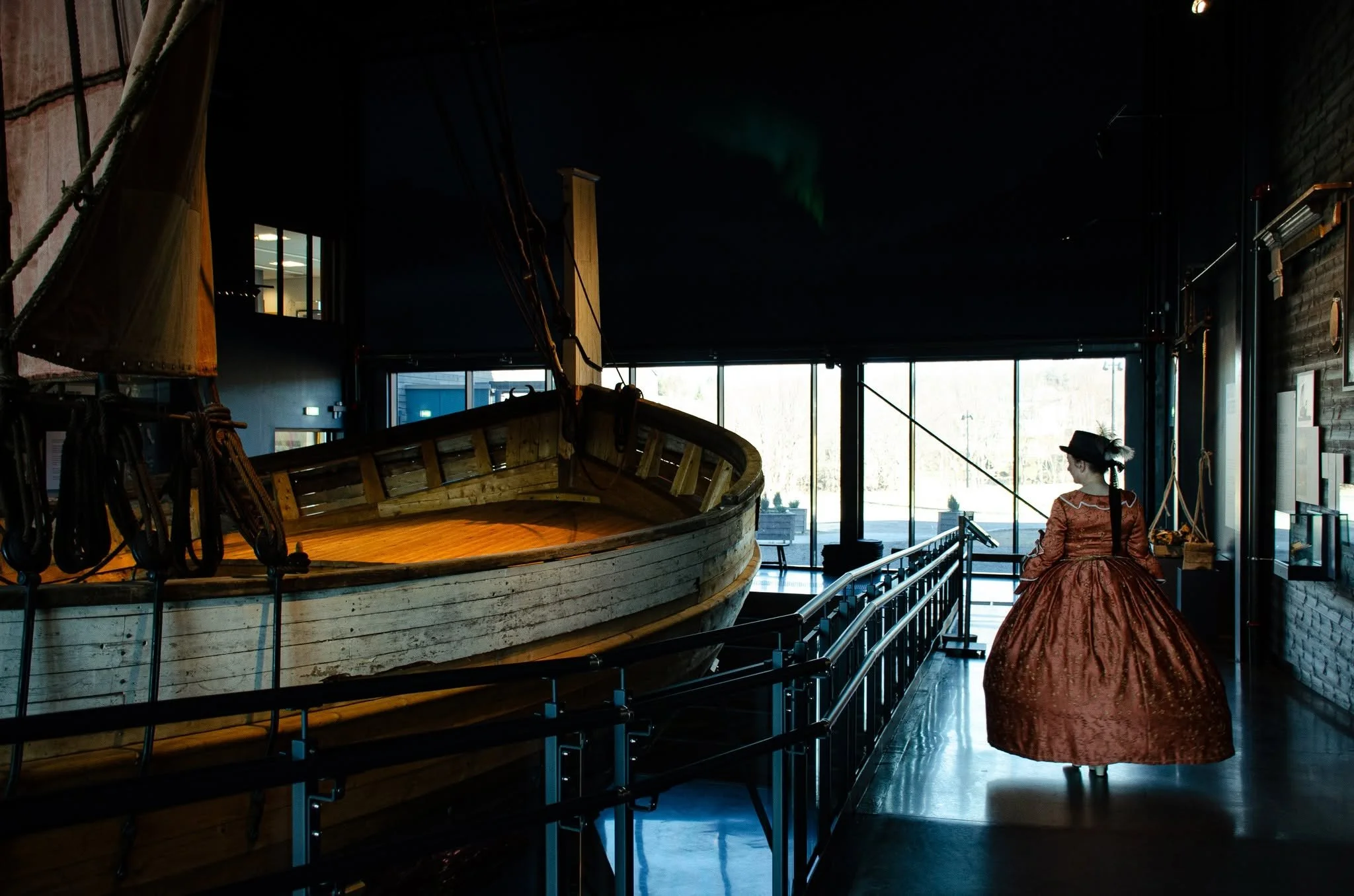
Anna Karoline was built in Mosvik, Trøndelag, in 1876, from pine. She is the only original Nordland ship preserved in the world.
The big jets came from the north
Jets existed all along the coast, from Hordaland to Varanger. But they developed differently. The fjord jets in Western Norway remained small. Jets that went further were built larger. When tax rules were changed towards the end of the 17th century, the economy pushed the freight ships from the north to almost double their size. They were built to transport as much stockfish as possible. Towards the end of the 18th century and throughout the 19th century, the Nordland jets and Trøndelag jets were very large compared to other jets along the coast.
Built in Trøndelag
The reason Anna Karoline was built in Trøndelag and not in Nordland is simple. Ship timber had been exhausted further north. In the 17th and 18th centuries, there were eight sawmills in Mosvik, and the farms along the sea there were a core area for shipbuilding, including for sale to Nordland.
Two construction techniques in one hull
The jetties were traditionally built using clinker. The boards are laid overlapping from the keel upwards, and riveted together with iron nails. The technique dates back to the Iron Age, and was used on the Nordland boats and Viking ships.
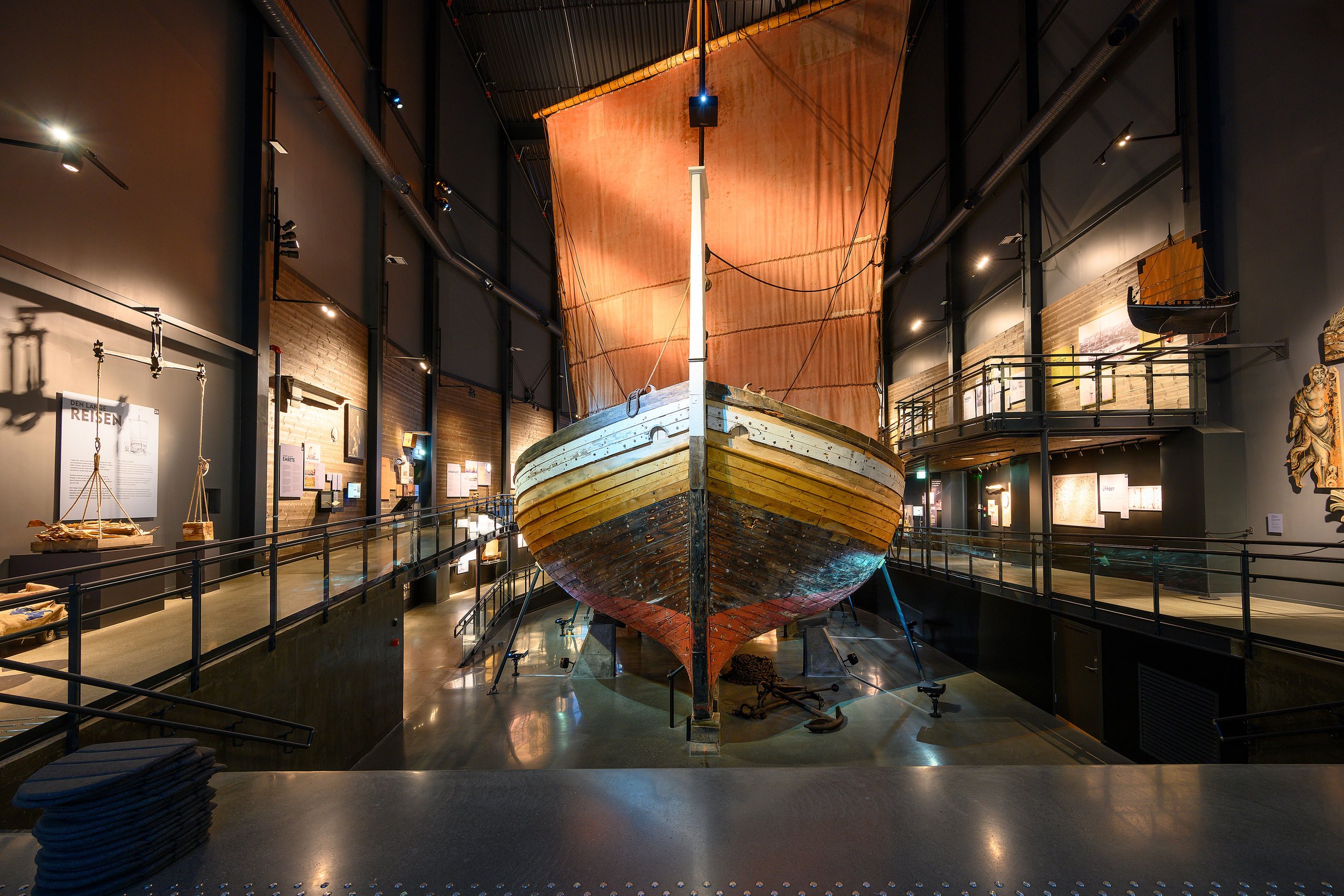
Anna Karoline was built like this. In 1890 she ran aground at Kirangrunnen and was towed to Trondheim. There the old hull was planed, and a new layer of planks was laid on top, edge to edge instead of overlapping. This is called cravel construction. From the inside you can still see the original clinker hull. It is rare, and many historians consider it the most valuable thing about her.
Jekta and the village
Anna Karoline was part of a system called bygdefar. Whoever had the right to bygdefar was obliged to provide a seaworthy jekt at the disposal of the villagers. In return, the farmers undertook to send their goods by the jetty, help with launching and landing, and provide a crew. The right was often inherited. It was confirmed at the Thing, but much was based on custom. The system lasted from around 1400 to the end of the 19th century.
There were three roles on board, and the names are not the ones we use today. The skipper was the owner. He owned the yacht, but did not necessarily sail himself. The mate was the captain, the one who steered the ship. The haasets were the crew. They were also the guides for the fishermen in the village, and each of them was responsible for the goods of a group of neighbors. They were also to shop for them in Bergen, according to their instructions.
The crew lived in the vengen, the room at the back of the jetty. Each man had his own travelling chest with clothes, food, drink and personal belongings. The name lives on: The Cafe at The Jekt Trade Museum called Vengen Skafferi.
Jekta followed the fishing. Under owner Ole Vandsvik, she started the new year with a trip to Lofoten to buy fish. The fish was salted on board, and in May she was back in Roan, where it was dried. While the fish dried, she transported timber from Namsen to Northern Norway. Then she was loaded with stockfish and sailed to Bergen.
The cargo could be stacked five meters above the deck. Back home she had grain for the winter, and coffee and tobacco as gifts. The most important cargo, however, was the men on board. If the jetty went down, it affected the entire village.
How she got here
Nordlandsmuseet bought Anna Karoline in 1954 from the company Angell & Sønner at Hopen in Lofoten. In 1959 she was put ashore in Bodøsjøen , and there she stood for sixty years.
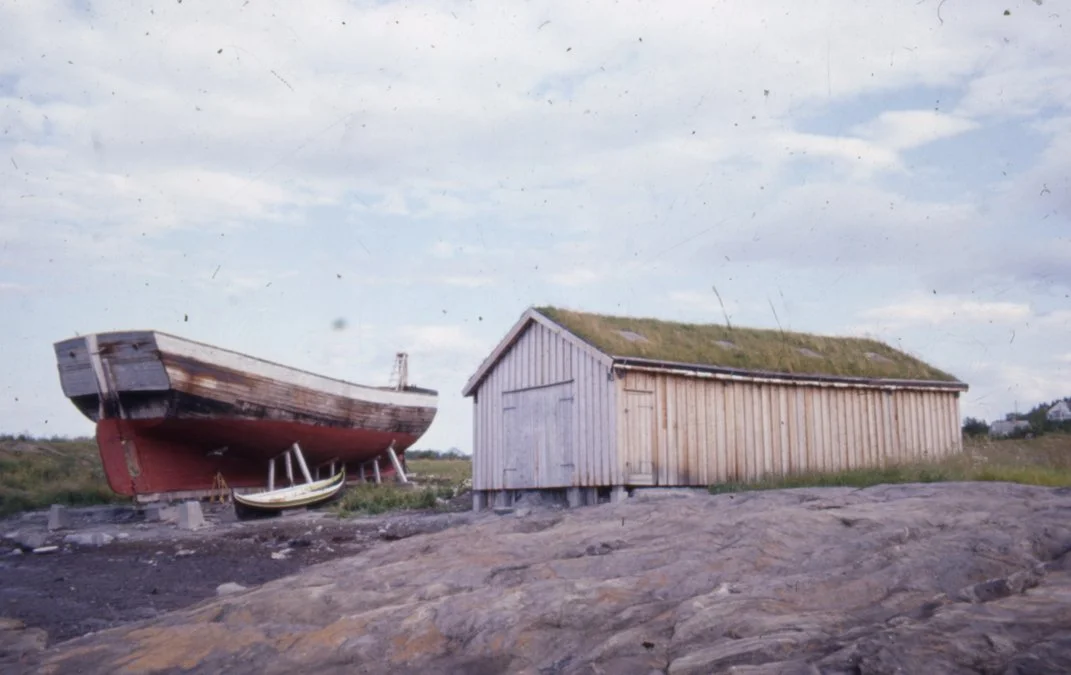
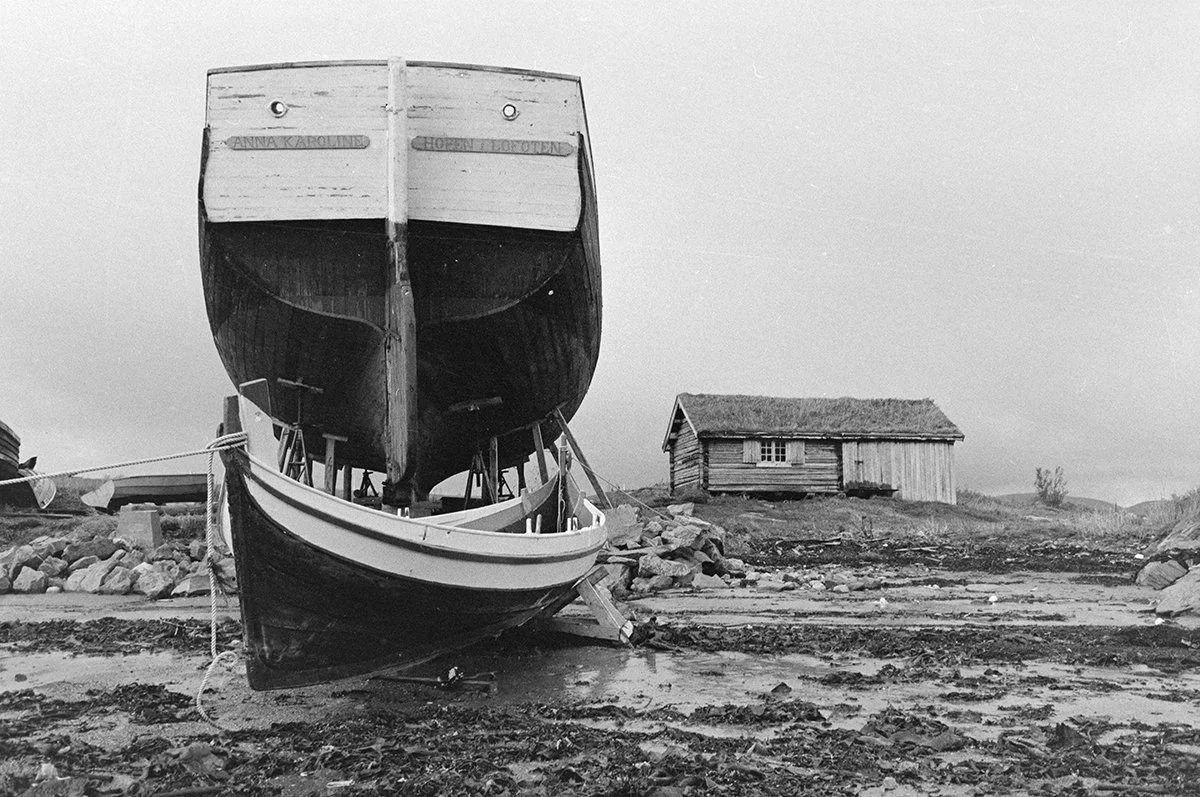
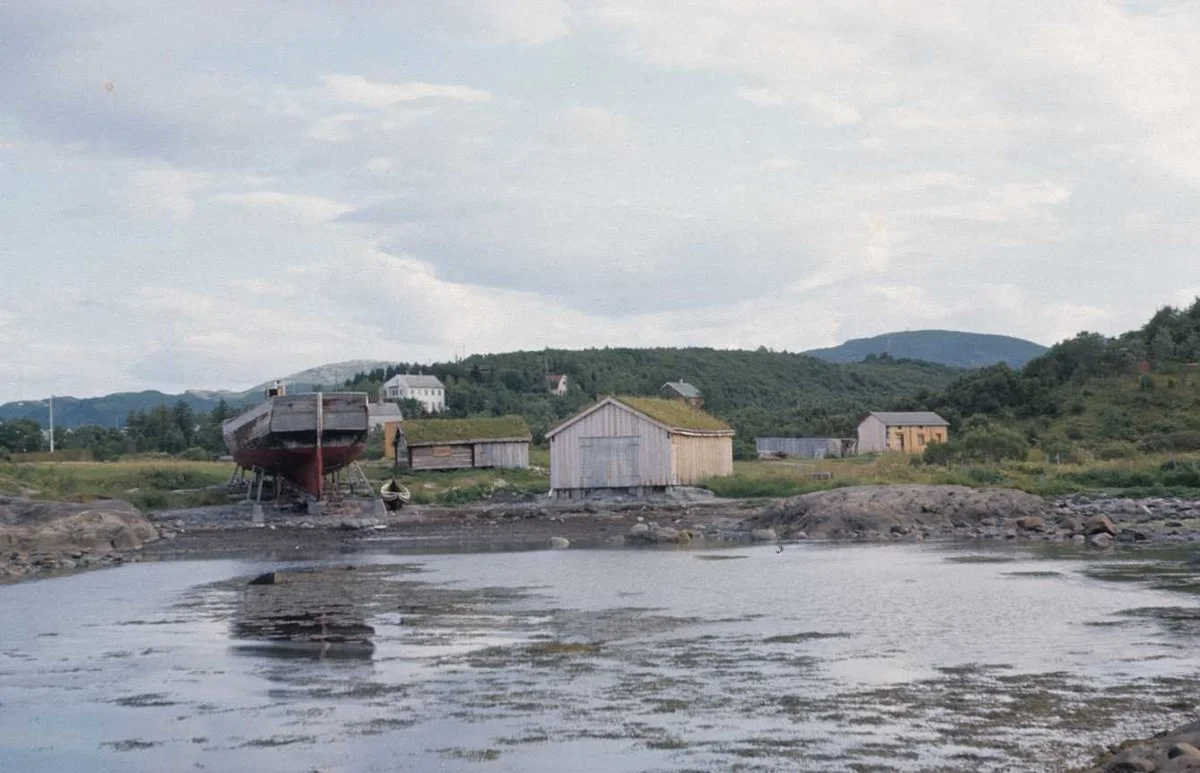
From 2016 to 2019 she was salvaged. She was too fragile to be moved, so all work was done on site while the museum was built around her. The Hardanger Fartøyvernsenter removed the rotten deck, which was also toxic after treatment in 1979. They rebuilt parts of the hull and decks, using the same materials and techniques as the original. Historical research and dating of the wood ensured that the reconstructions were accurate.
The Jekt Trade Museum opened in 2019. In 2024, the museum received the award Museum of the Year in Norway.
Facts about Anna Karoline
Built in 1876 by Gunerius Brataker in Mosvik, of pine.
Length 20.15 m, width 7.67 m, 90 tons
1903: Johan Bjørvik and Ole Schiefloe own her. She gets a 16 hp engine and becomes a floating general store in Lofoten.
1908: Julius Pedersen & Schiefloe buys her. Home port Namsos, and she transported timber from Trøndelag to Northern Norway.
1916: new 30 hp engine
1929: Angell & Sønner from Hopen in Lofoten buys her. She salts fish and makes cod liver oil.
1932: the rig is removed
Just before 1954: she loses her engine and ends up as a barge and warehouse
1954: Nordlandsmuseet buys her
Why she is important
There are five preserved jetties in Norway. Anna Karoline has the largest proportion of original material. She is also a historical source. Through her you can read how the stockfish trade supported the villages in the north. You can also see how the decline in stockfish was reflected in her own history: She ended up as a barge and warehouse.
The people who found the story
We know a lot about Anna Karoline because Eivind Thorsvik, conservator at Nordland County Museum (today Nordlandsmuseet ), wrote to previous owners, skippers and relatives, and interviewed people who knew the barge. The findings were published in the annual report for 1964–65, and the letters are in the museum's archives. There are a few surviving photographs of her as a barge, and only one shows her with sails. All come from Mina Barbara Angell Ellingsen, granddaughter of the last owner.
Find the difference between new and old
Anna Karoline is about 65 percent original. The oldest part is the lower hull, the inner clinker skin, the frames and parts of the stern and keel. New wood is yellow from linseed oil. Original wood is dark and brownish-gray. Look for the difference when you stand next to her. On the stern are the words "Anna Karoline" and "Hopen i Lofoten" in yellow lettering on a blue background.
See her for yourself
This year Anna Karoline turns 150. She stands inside The Jekt Trade Museum in Bodøsjøen , and the museum is open all year round (with a short break in January for maintenance).
Photos in this issue: Karoline OA Pettersen and Nordlandsmuseet .